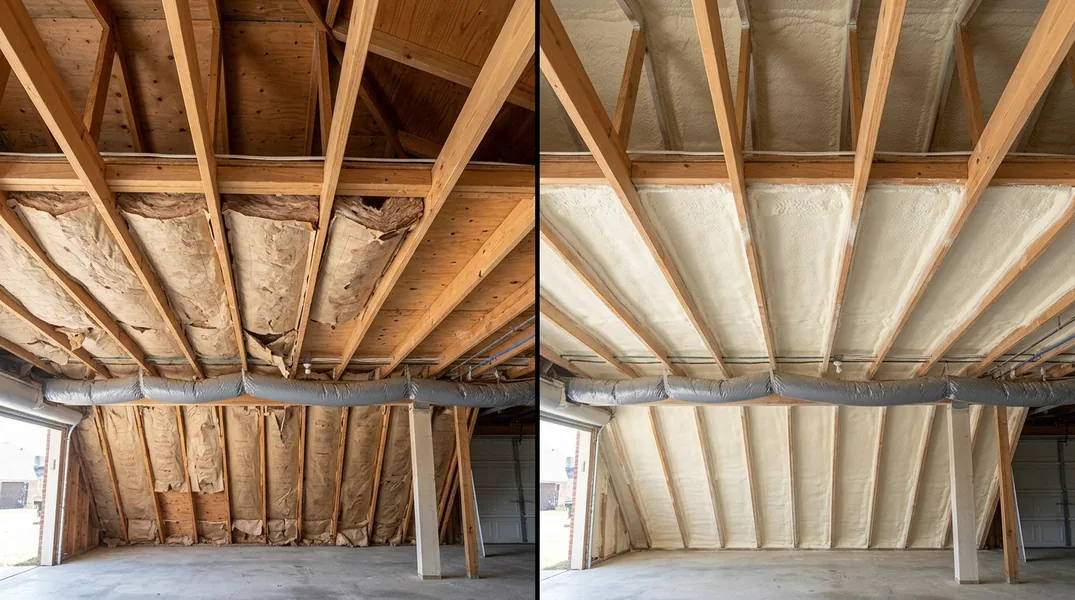
Understanding R-Values and Texas Energy Code Requirements
When it comes to insulating your home in Fort Worth, understanding R-values is essential. R-value measures thermal resistance, or how well a material prevents heat transfer. The higher the R-value, the better the insulation performs. For homeowners planning an attic upgrade, knowing your state's minimum requirements ensures you meet code and maximize energy efficiency.
Texas follows the International Energy Conservation Code (IECC) standards, which have evolved significantly over recent years. As of 2026, Fort Worth homeowners should aim for attic insulation with an R-value between R-38 and R-60, depending on your specific climate zone and local amendments. Most of the Dallas-Fort Worth metroplex falls into a zone requiring R-38 as a minimum for attic spaces, though R-49 to R-60 is increasingly recommended for optimal energy savings. These requirements exist to reduce heating and cooling costs, lower carbon footprints, and improve home comfort year-round.
Spray Foam Insulation R-Value Per Inch: Why It Matters
One of the most important distinctions homeowners must understand is the difference between Closed Cell Spray Foam Insulation and Open Cell Spray Foam Insulation. Closed cell foam delivers approximately 6.0 to 7.0 R-value per inch, making it the premium choice for maximum insulation performance in minimal space. Open cell foam, by contrast, provides around 3.5 to 3.6 R-value per inch. This difference is crucial when deciding how thick spray foam should be in your attic.
The superior R-value per inch of closed cell spray foam means you need less material to achieve the same thermal resistance as other insulation types. If you need R-60 insulation, closed cell requires roughly 8.5 to 10 inches of thickness, while open cell would need 17 to 18 inches. Beyond R-value, closed cell foam also provides superior moisture barriers and structural support, making it ideal for attics in humid climates like Texas. Open cell foam is lighter, less expensive, and still effective for many applications, but closed cell remains the gold standard for attic applications where space efficiency and performance matter most.
How Thick Should Spray Foam Be in Your Fort Worth Attic?
Determining the ideal thickness for Attic Spray Foam Insulation depends on several factors: your target R-value, the type of foam selected, local building codes, and your budget. For most Fort Worth homes, meeting the minimum R-38 requirement with closed cell foam requires approximately 5.5 to 6.5 inches of material. However, if you're planning for long-term energy savings and future resale value, investing in R-49 or R-60 is increasingly worthwhile. This translates to 7 to 10 inches of closed cell foam, depending on the exact product used.
The thickness decision also involves practical considerations. Thicker insulation means better attic ventilation management and fewer thermal bridging issues. Your attic's existing conditions, rafter spacing, and any prior insulation will influence the final thickness recommendation. A professional assessment from Fort Worth Spray Foam Insulation can determine the optimal thickness for your specific home, ensuring you meet code while maximizing energy performance. Thicker foam also provides better soundproofing and can improve structural rigidity in some cases, adding value beyond simple thermal performance.
Federal Insulation Tax Credit and State Rebates Available in 2026
One of the most attractive incentives for homeowners upgrading insulation is the federal insulation tax credit. Under current federal regulations, homeowners can claim up to 30% of the cost of qualifying insulation improvements, with a maximum credit of $3,200 per year for energy-efficient home improvements. This includes spray foam insulation projects that meet Department of Energy efficiency standards. The credit applies to materials and labor, making it a substantial financial incentive for comprehensive attic upgrades.
In addition to federal tax credits, Texas offers various insulation rebates through utility companies and state energy programs. Many Texas utilities provide rebates for customers who upgrade attic insulation to meet or exceed R-value thresholds. Some programs offer direct rebates ranging from $200 to $800, depending on the project scope and your utility provider. Additionally, Texas does not charge sales tax on certain energy-efficient materials, which can provide immediate savings on material costs. Before starting your project, contact your local utility provider to inquire about current rebate programs. Fort Worth Spray Foam Insulation can help you navigate these incentives and ensure your project qualifies for maximum financial benefits.
Attic Spray Foam Insulation Cost in Fort Worth: What to Budget
Understanding the pricing for spray foam insulation helps homeowners make informed decisions. The cost of attic spray foam insulation typically ranges from $1.50 to $3.50 per board foot for closed cell foam, with open cell ranging from $0.50 to $1.50 per board foot. For an average 1,500 square foot attic requiring 6 inches of closed cell foam to reach R-38, you can expect total project costs between $4,500 and $8,000 before incentives. These costs include materials, labor, equipment, and any necessary air sealing or preparation work.
Several factors influence final pricing: attic accessibility, existing insulation removal requirements, ventilation modifications, and the complexity of the space. Homes with difficult attic access or extensive prior insulation removal may see higher labor costs. However, when you factor in federal tax credits and state rebates, the net cost drops significantly. Many Fort Worth homeowners find that after applying available incentives, their actual out-of-pocket expense is 30 to 50% lower than the initial quote. To get an accurate estimate tailored to your home, contact Fort Worth Spray Foam Insulation at (817) 607-8986 or request a free estimate today. Our team will assess your attic, discuss your energy goals, and provide transparent pricing with all available incentives factored in.
R-Value Requirements by State: How Texas Compares
While this article focuses on Texas requirements, understanding how the state compares nationally provides useful context. Different states and climate zones have varying minimum R-value requirements based on heating and cooling demands. Colder northern states like Minnesota and Wisconsin require R-60 to R-80 for attics, while warmer southern states like Florida and Louisiana may only require R-30 to R-38. Texas, with its hot summers and mild winters, sits in the middle range, requiring R-38 to R-49 depending on the specific region and local amendments.
The Dallas-Fort Worth area experiences both significant cooling loads in summer and occasional heating needs in winter, making robust attic insulation a smart investment regardless of minimum code requirements. Many experienced contractors recommend exceeding minimum requirements by 10 to 20% to account for future energy price increases and to improve home comfort. Additionally, homes in areas prone to temperature extremes benefit from superior insulation performance. If you're comparing quotes from contractors or considering whether to upgrade beyond minimum code, understanding these regional differences helps justify the investment. Fort Worth Spray Foam Insulation specializes in optimizing insulation for local climate conditions, ensuring your home stays comfortable and efficient year-round.
Looking for a professional spray foam insulation contractor in Fort Worth? Fort Worth Spray Foam Insulation responds fast for all your spray foam insulation needs.
Get a Free Quote