The Winter Storm Uri Wake-Up Call for Fort Worth Homeowners
When Winter Storm Uri descended on Fort Worth in February 2021, it left more than just snow and ice in its wake. Across the region, homeowners faced burst pipes, flooded attics, and devastating water damage. The culprit wasn't always obvious: many of these failures traced directly back to poorly insulated or inadequately sealed attics that allowed warm air to escape into the cold night, creating the perfect conditions for ice dams and frozen pipes.
The lessons from Uri are still relevant today. As winter approaches each year, Fort Worth homeowners are asking themselves: could this happen to my house? The answer depends largely on the condition of your attic insulation and whether your roof deck is properly sealed. A properly sealed attic isn't just about comfort in winter or energy savings in summer. It's about protecting your home's structural integrity and avoiding the kind of catastrophic damage that Winter Storm Uri inflicted on thousands of families.
How Unsealed Attics Create Ice Dams and Frozen Pipes
The physics of an unsealed attic is straightforward but devastating. When your attic lacks proper insulation or air sealing, warm air from your living spaces rises and escapes through the roof. During extreme cold snaps like Winter Storm Uri, this heat loss causes the underside of your roof to warm just enough to melt snow and ice. That water then runs down toward the eaves, where it refreezes in the cold air, forming an ice dam. Ice dams trap water on your roof, forcing it under shingles and into your home's interior.
Frozen pipes represent another critical problem. When attics are poorly sealed and insulated, the temperature inside the attic can drop to near outdoor levels. Water pipes running through the attic freeze solid, and when they freeze, they burst. A single burst pipe can release hundreds of gallons of water into your attic, walls, and ceilings. The damage is often discovered too late, after mold and structural rot have already begun. This is precisely what happened to countless Fort Worth homes during Uri.
What is Sealed Attic Insulation and How Does It Work?
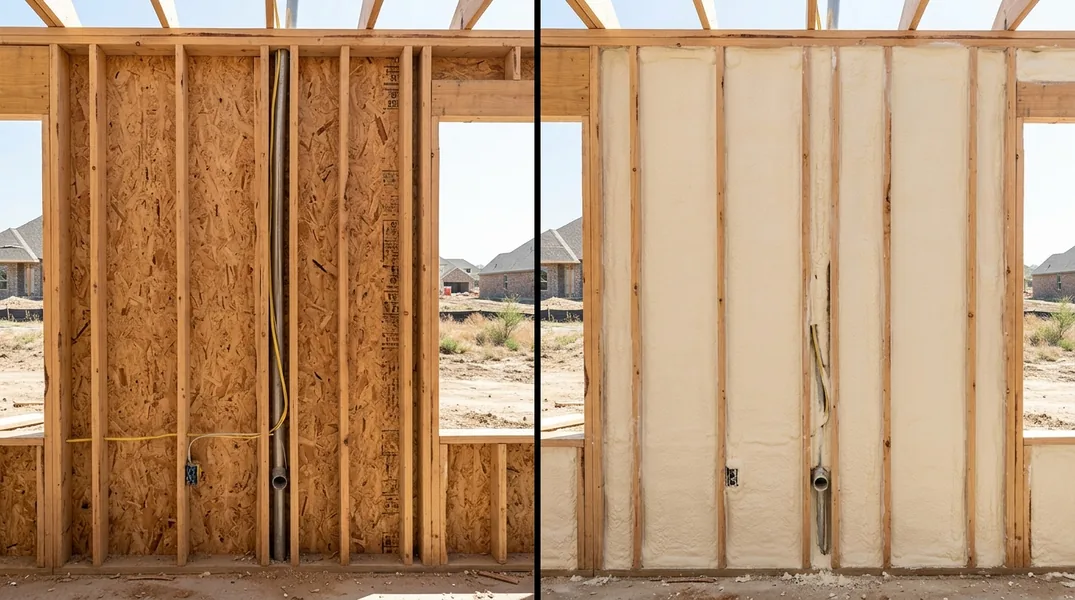
Attic Spray Foam Insulation applied to the roof deck creates what professionals call an unvented attic or conditioned attic. Instead of insulating the attic floor and venting the attic space to the outdoors, spray foam is applied directly to the underside of the roof sheathing. This approach seals the attic completely, making it part of your home's conditioned envelope rather than an unconditioned buffer zone.
When you install spray foam attic insulation, the foam expands to fill every crack, gap, and void. It adheres to the roof deck, rafters, and any other surfaces it contacts, creating an airtight seal. This means no warm air escapes through small penetrations where pipes, wires, or vents pass through the roof. The attic stays warm in winter because it's sealed off from the outside, preventing ice dams from forming. Pipes running through the attic remain above freezing because the space is now heated by your home's HVAC system.
Closed Cell vs. Open Cell: Which Is Right for Your Fort Worth Attic?
When considering Closed Cell Spray Foam Insulation, you're choosing a dense, high-performance option with an R-value around 6.5 to 7 per inch. Closed cell foam is moisture-resistant and provides structural strength, making it ideal for attics where water exposure is a concern. For homeowners in Fort Worth who experienced damage during Winter Storm Uri or live in older homes with moisture issues, closed cell foam offers superior protection and durability.
Open Cell Spray Foam Insulation is lighter, less dense, and more affordable, with an R-value around 3.5 per inch. It requires thicker application to achieve the same insulation value as closed cell, but it's an excellent choice for homeowners prioritizing budget while still achieving an effective sealed attic. Open cell foam is also more flexible and can accommodate minor structural movement in older homes.
Both types of spray foam create the sealed, unvented attic conditions that prevent the kind of damage Winter Storm Uri caused. The choice between them depends on your specific situation, local climate, and budget. Fort Worth Spray Foam Insulation can assess your attic and recommend the best option for your home's unique needs.
Attic Spray Foam Insulation Cost in Fort Worth: What to Budget
Homeowners understandably want to know what pricing looks like for attic spray foam projects. The cost depends on several factors: the size of your attic, the R-value you need to achieve, whether you choose closed cell or open cell foam, and the complexity of your roof structure. Attics with numerous penetrations, skylights, or complex framing typically cost more to insulate thoroughly.
In Fort Worth, most residential attic spray foam projects range from $1,500 to $5,000 or more, depending on square footage and foam type. While this represents a significant upfront investment, consider the long-term value: lower energy bills, protection against catastrophic water damage, and peace of mind during winter storms. Many homeowners who experienced damage during Uri would have gladly paid this amount to prevent tens of thousands in repair costs. To get an accurate quote for your specific situation, contact Fort Worth Spray Foam Insulation at (817) 607-8986 or request a free estimate.
Taking Action: Protecting Your Fort Worth Home Today
Winter storms may not arrive every year, but when they do, your attic's condition determines whether your home stays safe and dry or becomes a disaster zone. The lessons from Winter Storm Uri are clear: sealed attic insulation isn't a luxury upgrade. It's essential protection for your home and family. If your attic currently relies on traditional fiberglass batts or blown-in insulation with an open, vented design, you're vulnerable to the same problems that affected thousands of Fort Worth homes during Uri.
The good news is that upgrading to attic spray foam insulation is a proven solution that addresses the root cause of ice dams and frozen pipes. Modern spray foam technology has been refined over decades and is now the standard recommendation among building science experts and energy auditors. By sealing your attic roof deck, you're investing in your home's resilience, energy efficiency, and long-term structural health.
Don't wait for the next winter storm to discover your attic's vulnerabilities. Contact Fort Worth Spray Foam Insulation today at (817) 607-8986 to schedule your free estimate. Our team will inspect your attic, explain your options for sealed attic insulation, and help you protect your home the way Winter Storm Uri taught us all we should.
Looking for a professional spray foam insulation contractor in Fort Worth? Fort Worth Spray Foam Insulation responds fast for all your spray foam insulation needs.
Get a Free Quote